
Choosing a Solana Wallet Without the Hype
Software, hardware, and multisig options compared by security model — not by marketing claims.
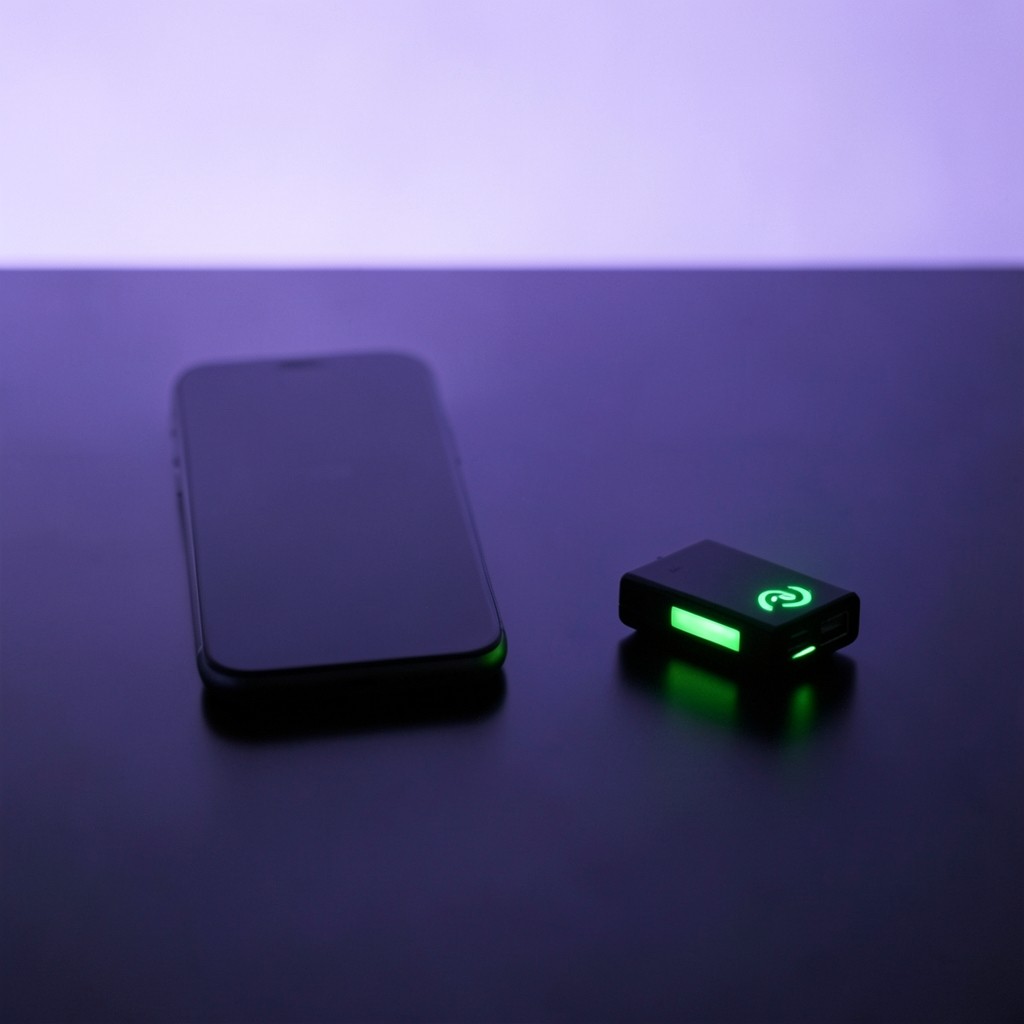
Wallet choice is personal because it balances convenience, security, and who must approve each transaction. Our Atlas library does not rank brands; we describe categories so you can match a wallet type to your situation.
Browser extension wallets
Extensions run in your desktop browser and sign transactions when you approve prompts. They are convenient for interacting with web applications daily. Risk concentrates in the browser environment — malicious sites can phish approvals if you click too quickly. Readers who use extensions benefit from a separate device profile or strict bookmark habits.
Mobile wallets
Mobile apps suit payments and NFT viewing on the go. Backup flows often rely on cloud-synced seed phrases unless you disable them. We encourage readers to verify whether their mobile wallet encrypts seeds locally and what happens if the phone is lost.
Hardware wallets
Hardware devices keep private keys off the internet-connected machine. You confirm actions on a physical screen. Setup takes longer, and firmware updates matter. Hardware suits readers holding material value who tolerate extra steps per transaction.
Multisig and shared custody
Teams and families sometimes use wallets requiring multiple signatures. Solana supports on-chain multisig programs. Operational overhead rises — every signer must be available — but single-key theft loses effectiveness.
Questions before you install anything
- Who needs to approve outgoing transfers?
- Where will seeds be stored, and who has access?
- Does the wallet support the token types you actually hold?
- What recovery path exists if one device fails?
Our Wallet Security Briefing walks through these questions with a printable checklist. We do not install software on your machines during that session.